Techniques: Props, Variations, and Classical Forms
In this lesson, we progress from bridge pose variations to Bow Pose.
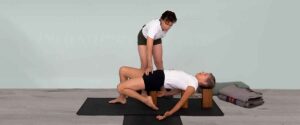
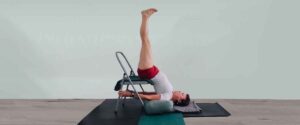
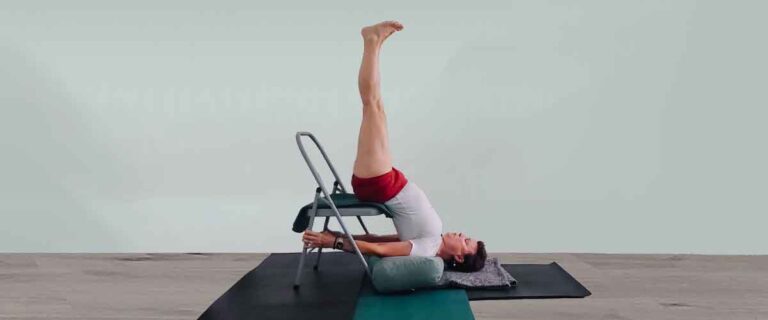
In Setu Bandha Sarvangasana, the body rests on the shoulders, soles of the feet, and heels.
In Dhanurasana, this reverses—the abdomen and front body become the base.
Notice how these foundations relate and how the actions complement each other.
Throughout this family of postures, the spine elongates, lifts, and curves backward. As we age, we rarely move this way, which leads to stiffness, lost elasticity, and reduced spinal vitality. Regular practice restores supple extension, supports healthy posture, and maintains spinal health.
The abdominal organs also benefit. The backward extension creates space, circulation, and freedom, helping them work more efficiently.
In Parsva Dhanurasana, the side variation, the organs receive a gentle, rhythmic massage as they press into the floor.
Back Body and Kidney Benefits:
These postures open, strengthen, and tone the back body—especially around the kidneys and adrenals. Lifting and lengthening the lumbar spine creates space around the kidneys, improving blood flow, supporting adrenal balance, and reducing fatigue. This opening brings lightness and rejuvenation, helping replenish energy and stabilize the nervous system.
This sequence includes:
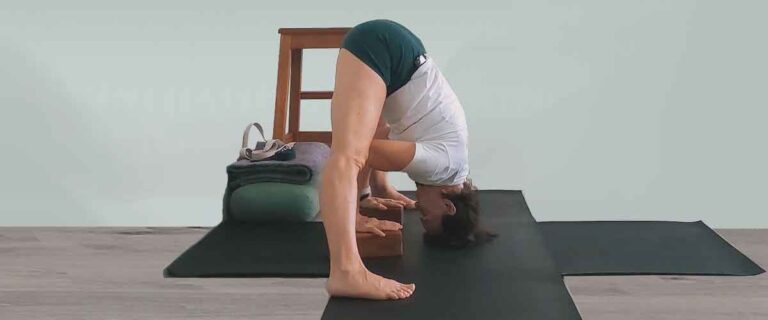
Setu Bandha Sarvangasana
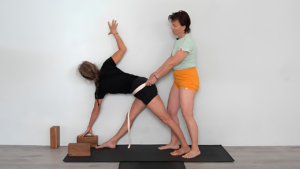
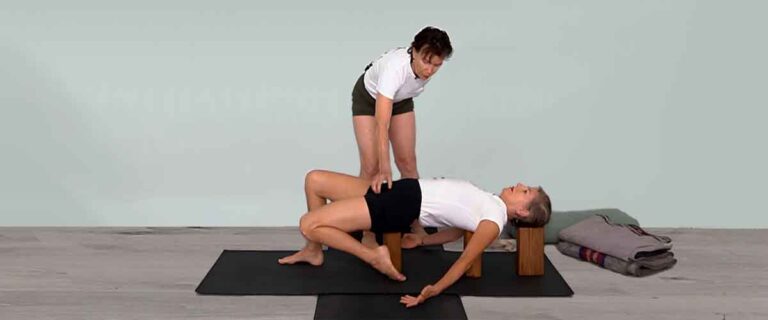
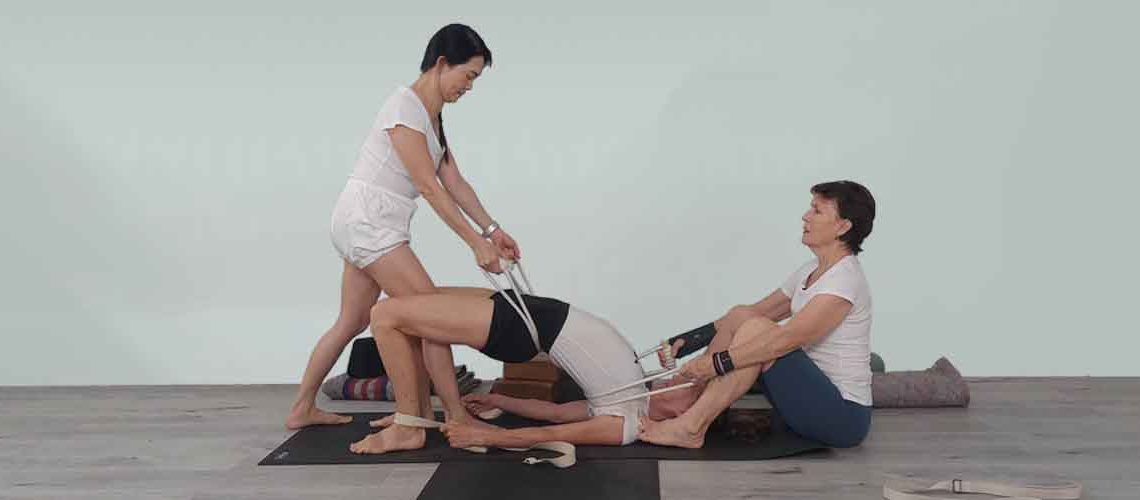
Chatuspadasana w/ strap, w/ brick, holding ankles, w/ partner,
Dhanurasana
Parsva Dhanurasana